
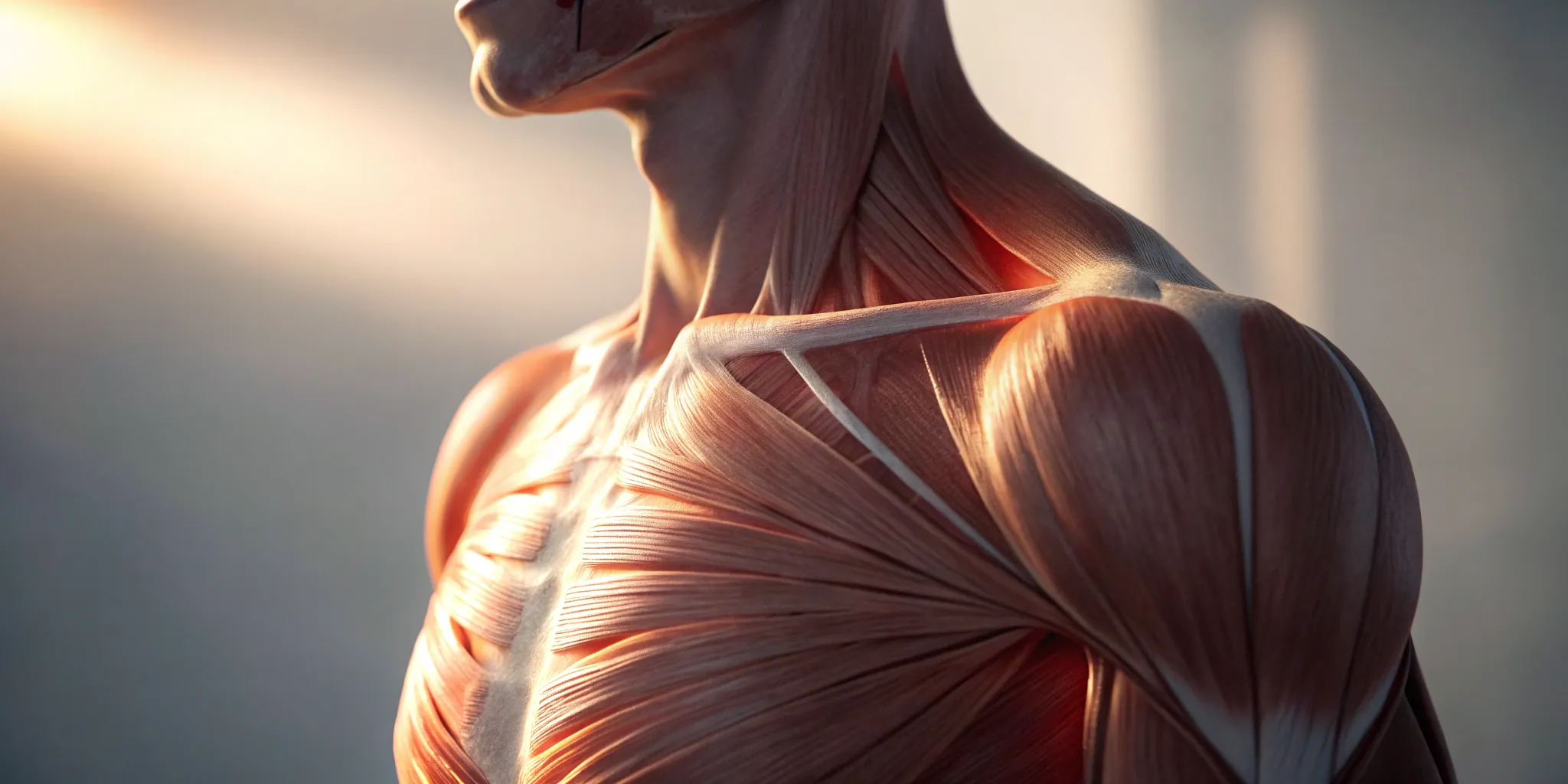
Think of your shoulder as one of the most incredible pieces of engineering in your body, and the rotator cuff is its command center. This group of four muscles and their tendons is responsible for your arm’s amazing range of motion, allowing you to lift, reach, and rotate with precision. But because it’s so active, it’s also prone to injury. When this system is compromised, you feel it in nearly every move you make. Understanding this anatomy is the key to figuring out what’s gone wrong. So, what is a rotator cuff tear? It’s an injury to this vital structure, and getting a clear picture of the damage is the foundation for an effective, personalized treatment plan that restores your shoulder’s strength and function.
Key Takeaways
- Recognize the Warning Signs: Don’t ignore a deep, persistent ache in your shoulder, especially if it disrupts your sleep or is paired with weakness when lifting your arm. These are classic signs of a rotator cuff tear that warrant a professional evaluation.
- Prioritize a Precise Diagnosis: An accurate diagnosis using a physical exam and imaging is the foundation for a successful recovery. It clarifies the extent of your injury and allows you to explore powerful non-surgical options like physical therapy and regenerative medicine first.
- Commit to Active Recovery and Prevention: Whether your treatment is surgical or not, a structured rehabilitation plan is essential for restoring strength and function. You can protect your shoulders long-term by incorporating targeted exercises and smart daily movements to build resilience.
What Is a Rotator Cuff Tear?
If you’re dealing with shoulder pain that just won’t quit, you might have heard the term “rotator cuff tear.” Simply put, it’s an injury to the hardworking group of muscles and tendons in your shoulder. This team is responsible for nearly every move your arm makes—from reaching for something on a high shelf to throwing a ball. When one of these tendons is torn, it can cause pain, weakness, and make everyday activities feel like a major challenge. Understanding what’s happening inside your shoulder is the first step toward getting the right diagnosis and a treatment plan that gets you back to your life.
Meet Your Rotator Cuff
Think of your rotator cuff as the command center for your shoulder’s movement and stability. It’s a group of four muscles and their tendons that form a “cuff” over the top of your upper arm bone, holding it securely in the shallow shoulder socket. This setup is what gives your arm its incredible range of motion. Every time you lift your arm, rotate it, or reach behind your back, you have your rotator cuff to thank. It’s a powerful and precise system, but because it’s so active, it’s also vulnerable to injury from overuse or sudden trauma.
Partial vs. Full Tears: What’s the Difference?
Not all rotator cuff tears are the same. They generally fall into two main types: partial and full-thickness tears. A partial tear is like a rope that has started to fray but hasn’t snapped completely. The tendon is damaged and thinned, but it’s still attached to the bone. A full-thickness tear, on the other hand, is when the tendon has torn completely, creating a hole or detaching entirely from the bone. Knowing the extent of the tear is critical because it directly impacts your treatment options and recovery timeline, which is why getting an accurate diagnosis from a specialist is so important.
How Do Rotator Cuff Tears Happen?
Rotator cuff tears aren’t just for major league pitchers. They can happen to anyone, and they usually fall into one of three main categories: the slow fray of time, a sudden accident, or repetitive stress from activities you love. Understanding how these injuries occur is the first step toward getting the right care and getting back to your life.
Gradual Wear and Tear
This is the most common culprit behind rotator cuff tears. Think of your tendons like a sturdy rope that, after years of use, starts to fray. This slow, degenerative process happens over time as the tendons naturally wear down. It’s often linked to aging, as the blood supply to the rotator cuff can decrease, which makes it harder for your body to repair minor damage. You might not even notice it at first, as the pain can start as a mild ache and gradually worsen. This type of rotator cuff injury is a primary reason people seek help for persistent shoulder pain that just won’t go away.
Sudden Injuries from a Fall or Accident
Sometimes, a rotator cuff tear is the result of a single, traumatic event. This is known as an acute tear, and it’s usually impossible to ignore. A fall onto an outstretched arm, a car accident, or trying to lift something far too heavy with a jerking motion can all cause a tendon to tear suddenly. Unlike gradual tears, these injuries typically cause intense, immediate pain and a sudden feeling of weakness in your shoulder. You might even hear or feel a “pop.” These acute tears often require prompt medical attention to assess the damage and determine the best path forward for a full and speedy recovery.
Overuse from Sports or Work
If your job or favorite hobby involves a lot of repetitive overhead motion, you could be at risk for an overuse injury. Athletes in sports like tennis, baseball, and swimming, as well as professionals in fields like painting or carpentry, put consistent stress on their shoulder joints. Over time, this repetitive motion can irritate and damage the rotator cuff tendons, leading to inflammation and eventually a tear. It’s the result of cumulative micro-trauma that wears the tendon down faster than the body can repair it. Addressing the mechanics of your movement is key to preventing and treating this type of rotator cuff tear.
Signs You Might Have a Rotator Cuff Tear
Your body has a way of telling you when something’s wrong. When it comes to your rotator cuff, the signals can range from a subtle ache to a sharp pain that stops you in your tracks. Paying attention to these signs is the first step toward getting the right diagnosis and a treatment plan that gets you back to your life. While every injury is different, a few key symptoms often point to a potential tear. If any of these sound familiar, it might be time to see a specialist who can give you a clear picture of what’s happening inside your shoulder.
That Nagging Shoulder Pain
One of the most common signs is a persistent, deep ache in your shoulder. You might notice it most when you aren’t even moving. For many people, the pain gets significantly worse at night, especially if you try to lie on the affected side, making a good night’s sleep feel impossible. The pain isn’t always the same, either; it can feel like a dull, constant throb or a sharp, sudden jab when you move a certain way. This kind of persistent shoulder pain that disrupts your rest is a clear signal that something isn’t right.
Weakness When Lifting or Reaching
Does lifting a gallon of milk or putting dishes away on a high shelf suddenly feel like a major effort? A noticeable weakness in your arm, especially when lifting or rotating it, is a classic sign of a rotator cuff tear. You might find that simple, everyday tasks like combing your hair or reaching behind your back become surprisingly difficult. This isn’t about your overall strength; it’s a specific weakness that makes you feel like your shoulder can’t support your arm’s movements. This loss of strength can be frustrating and is a strong indicator that the muscles and tendons in your shoulder aren’t working together properly.
Trouble Moving Your Arm
Beyond just pain and weakness, you might find it genuinely difficult to move your arm through its full range of motion. Lifting your arm out to the side or raising it overhead can trigger a sharp pain. You may also notice a crackling or popping sensation, known as crepitus, when you move your shoulder. It’s a strange feeling, almost like something is grinding inside the joint. It’s also important to know that some rotator cuff injuries don’t cause much pain at all. Instead, the main symptom is significant arm weakness. So even if you aren’t in constant pain, difficulty moving your arm is a serious sign that shouldn’t be ignored.
Getting a Clear Diagnosis
Figuring out exactly what’s causing your shoulder pain is the most critical first step. A vague diagnosis leads to a generic treatment plan, and that’s not how we operate. To get you back to your life quickly and safely, we need a precise understanding of the injury. This is where a combination of a hands-on physical exam and advanced imaging comes into play, giving us a clear, data-driven picture of your shoulder’s health.
An accurate diagnosis is the foundation of your recovery. It allows us to see the full picture: the type of tear, its size, and which tendons are involved. This detailed information helps us create a personalized treatment plan tailored to your specific injury and your goals. Whether you’re an athlete aiming for a swift return to sport or someone who just wants to lift their groceries without pain, a clear diagnosis ensures your treatment is effective from day one. It’s all about pairing fighter-pilot precision with a plan that makes sense for you.
What to Expect in a Physical Exam
Your appointment will start with a conversation. We’ll talk about your symptoms, when the pain started, and how it’s impacting your daily activities. After that, we’ll move on to the physical exam. I’ll gently check for tenderness and measure your shoulder’s range of motion by seeing how far you can move your arm in different directions. We’ll also test your arm strength to identify any weakness. Sometimes, shoulder pain can actually start in the neck, so I’ll check that area as well to make sure we’re targeting the true source of the problem. This hands-on approach is essential for a thorough evaluation.
A Deeper Look with Imaging (MRI & Ultrasound)
While a physical exam gives us crucial information, imaging tests let us see exactly what’s happening inside your shoulder. An X-ray is often a good starting point to rule out bone-related issues like arthritis, but it doesn’t show soft tissues like tendons. To confirm a rotator cuff tear, we rely on an MRI or ultrasound. These tests provide a detailed view of the tendons, allowing us to pinpoint the tear’s location and size. An MRI is particularly useful because it can also tell us about the quality of the surrounding muscle and how old the injury might be, which helps guide our treatment decisions.
Healing Your Shoulder Without Surgery
Hearing you have a rotator cuff tear can feel overwhelming, and your first thought might be about surgery. But the good news is that surgery isn’t always the first or only answer. Many people find significant relief and get back to their lives with non-surgical treatments that focus on healing the shoulder and restoring its function. A conservative approach is often the best place to start, giving your body the chance to repair itself with the right support. Let’s walk through some of the most effective non-operative paths to recovery.
Smart Rest and Activity Changes
When you hear “rest,” you might picture weeks on the couch, but that’s not what we mean. Smart rest is about being strategic. It involves identifying which movements and activities are causing pain and finding ways to modify or avoid them temporarily. This gives the inflamed and injured tendons a break from the stress that’s irritating them. For many partial tears and cases of tendinopathy, this simple step can lead to excellent results. It’s about working with your body, not against it, by pausing activities like overhead lifting or repetitive throwing motions to let the healing process begin.
Guided Physical Therapy
Physical therapy is a cornerstone of non-surgical rotator cuff treatment for a reason: it works. A skilled physical therapist will create a personalized program designed to rebuild strength in the muscles surrounding your shoulder joint and improve your range of motion. The goal isn’t just to do exercises; it’s to do the right exercises correctly. Stronger supporting muscles take the pressure off the injured rotator cuff tendons, creating a more stable and functional shoulder. For many people, a dedicated course of physical therapy exercises is enough to manage symptoms and return to daily activities without pain.
Advanced Regenerative Options
For those seeking the latest in non-surgical care, regenerative medicine offers powerful solutions. These treatments harness your body’s own natural healing agents to repair damaged tissue from the inside out. Options like Platelet-Rich Plasma (PRP) and other orthobiologics concentrate growth factors from your own blood and inject them directly at the injury site to accelerate healing. Research shows that stem cell therapy has also emerged as a promising and effective strategy for repairing rotator cuff tissue. These cutting-edge techniques are designed to not just mask symptoms, but to fundamentally change the course of healing and help you avoid surgery.
Is Surgery the Right Path for You?
Making the decision to have surgery is a big one, and it’s a path many people consider only after exploring non-surgical treatments. If you’ve been diligent with rest, physical therapy, and other options but are still dealing with persistent pain and weakness, it might be time to talk with your doctor about a surgical solution. The goal is always to restore your function and get you back to living your life without limitations, whether that means returning to a sport you love or just being able to lift your arm without pain.
Surgery isn’t a one-size-fits-all answer. It’s a personalized decision you make with your surgeon, based on your specific injury, activity level, and long-term goals. Understanding what modern surgical options look like can help you feel more confident and prepared as you weigh your choices and plan your next steps toward recovery.
Deciding if and When to Have Surgery
If your shoulder pain continues after six to twelve months of non-surgical care, surgery may be the next logical step. Your doctor might also recommend it sooner if you have a large tear (over 3 cm), significant weakness in your arm, or if the tear was caused by a sudden, acute injury. For active individuals and athletes, repairing the tear is often key to returning to peak performance. The main reasons for surgery are to eliminate pain and restore strength, allowing you to get back to your job, hobbies, and daily activities without that nagging shoulder holding you back.
Understanding Minimally Invasive Surgery
The thought of surgery can be intimidating, but today’s techniques are more precise and less disruptive than ever before. Most rotator cuff repairs are performed using arthroscopic surgery. This minimally invasive approach uses a tiny camera and small instruments inserted through keyhole-sized incisions. This allows your surgeon to repair the tendon with incredible accuracy, minimizing damage to the surrounding muscle. These advancements in arthroscopic repair have led to better outcomes, less post-operative pain, and significantly quicker recovery times, helping you get back on your feet faster.
Your Recovery and Return to Action
Whether your path involves surgery or not, the goal is the same: to get you back to your life, pain-free and strong. A successful recovery is an active process, and it’s all about having a clear, personalized game plan. With a structured approach, we can track your progress and make sure you’re hitting the right milestones on your way back to the activities you love. This is where a data-driven plan makes all the difference, turning your recovery journey into a predictable path toward your goals.
The Path to Recovery Without Surgery
Good news—surgery isn’t always the first step. For many people, especially those with partial tears, a non-surgical approach is incredibly effective. In fact, studies show that around 80% of patients find relief and improved shoulder function without ever needing an operation. Your treatment plan will focus on calming the inflammation and rebuilding strength around the joint. This typically involves a combination of strategic rest, modifying activities that cause pain, and targeted physical therapy. Physical therapy is key here, as it helps strengthen the supporting muscles, improve flexibility, and restore your shoulder’s range of motion. In some cases, steroid injections can also help manage pain and swelling, making therapy more effective.
Your Post-Surgery Game Plan
If surgery is the best route for you, your recovery will be a well-defined process. The procedure typically involves re-attaching the torn tendon to the bone, and Dr. McCormick’s minimally invasive techniques are designed to make this process as smooth as possible. Afterward, you’ll likely wear a sling for about four to six weeks to protect the repair. Once your surgeon gives you the green light, you’ll begin a dedicated physical therapy program. This is where our 100 Days to Health protocol comes in, providing a structured timeline to guide you as you gradually regain motion and rebuild strength. It’s a marathon, not a sprint—it can take four to six months to get your strength back, with a full recovery taking up to a year.
Getting Back to What You Love
The ultimate goal is to return to your sport, your job, and your daily life with confidence. Most people experience a significant improvement in pain and function, regardless of whether their treatment was surgical or non-surgical. It’s important to stick with your rehabilitation plan, as this is your best defense against re-injury, especially if the original tear was large. We use the SIGMA Scoreboard system to track your outcomes with real data, ensuring you’re not just feeling better but are truly ready for action. This allows us to make informed decisions together, clearing you to return to your activities safely and effectively, so you can get back to performing at your best.
How to Keep Your Shoulders Strong and Healthy
Taking a proactive approach to shoulder health is one of the best ways to prevent injuries like rotator cuff tears down the line. It’s not about becoming a bodybuilder overnight; it’s about creating a sustainable routine that builds resilience in your shoulder joint. Think of it as regular maintenance for one of the most mobile and complex parts of your body. By combining targeted exercises with mindful daily habits, you can keep your shoulders functioning smoothly and reduce the risk of wear-and-tear damage that can accumulate over time.
A well-rounded strategy involves both strengthening the muscles that support the joint and ensuring those muscles remain flexible. This balance is key. Strong muscles provide stability, while flexible tendons are less prone to tearing under stress. This isn’t just for high-performance athletes; it’s for anyone who wants to continue their hobbies, play with their kids, or simply move through life without pain. Whether you have a physically demanding job or just want to lift your groceries without a second thought, paying attention to your shoulder health now is an investment in your future mobility and comfort. If you’re unsure where to start, a personalized treatment plan can set you on the right path.
Essential Strengthening and Stretching
To keep your rotator cuff happy, you need a mix of strengthening and stretching. Strengthening exercises build up the small, stabilizing muscles around your shoulder blade and rotator cuff, giving the joint the support it needs to handle daily demands. At the same time, gentle stretching helps maintain flexibility in the muscles and tendons. When tendons are pliable, they can move and stretch without sustaining damage.
A physical therapist can guide you through specific exercises designed to restore movement and build strength safely. The goal isn’t to push through pain but to gradually improve your shoulder’s function and resilience. A simple routine focusing on range of motion and light resistance can make a significant difference in preventing future injuries.
Smart Movement in Daily Life
How you move every day matters just as much as the time you spend exercising. Repetitive stress, especially from overhead motions at work or during sports, can slowly wear down your tendons. It’s important to listen to your body and avoid activities that consistently cause shoulder pain. Pushing through that discomfort isn’t a sign of toughness; it’s often a recipe for a larger injury.
Pay attention to your posture, take breaks from repetitive tasks, and use proper form when lifting heavy objects. If you feel a twinge, don’t ignore it. Modifying your activity or taking a rest can prevent a minor issue from becoming a major tear. Protecting your joints through smart, everyday habits is a cornerstone of long-term joint preservation.
Related Articles
- Partial Rotator Cuff Tears | Symptoms & Expert Treatment
- Rotator Cuff Injuries | Symptoms & Treatment Options
- Arthroscopic Rotator Cuff Repair | Procedure & Recovery
- Traumatic Rotator Cuff Tear Right Shoulder ICD 10 Guide
Frequently Asked Questions
Do I have to get surgery for my rotator cuff tear? Not at all. In fact, many people achieve a full recovery without ever needing surgery. The best path for you depends on the type of tear you have, your activity level, and your goals. For many partial tears or those caused by gradual wear, a dedicated plan involving physical therapy, activity modifications, and sometimes regenerative treatments can be incredibly effective at restoring strength and eliminating pain. Surgery typically becomes the primary option when these conservative methods haven’t provided relief or if the tear is large and was caused by a sudden injury.
How do I know if my shoulder pain is a rotator cuff tear or something else? That’s the million-dollar question, and it’s why a professional diagnosis is so important. Shoulder pain can come from many sources, including tendonitis, bursitis, or even issues in your neck. However, a deep, nagging ache that gets worse at night, combined with noticeable weakness when you try to lift your arm, are classic signs of a rotator cuff issue. The only way to know for sure is to have a specialist perform a thorough physical exam and, if needed, use imaging like an MRI to get a clear picture of what’s happening inside the joint.
Can I keep exercising if I think I have a rotator cuff tear? It’s best to press pause on any activities that cause pain. Pushing through the discomfort can easily turn a minor fray into a more significant tear. This doesn’t mean you have to stop moving entirely, but you should avoid overhead lifting, throwing, and any specific movements that trigger that familiar twinge. The smartest move is to get a clear diagnosis first. Once you know what you’re dealing with, a doctor or physical therapist can guide you on which exercises are safe and which ones to avoid while you heal.
Will my shoulder ever feel ‘normal’ again after a rotator cuff injury? Yes, the ultimate goal of any treatment plan is to get you back to your life with a strong, stable, and pain-free shoulder. Whether you go the surgical or non-surgical route, a successful recovery is absolutely possible. It requires a commitment to your rehabilitation plan, which is designed to restore your full range of motion and rebuild the strength of the supporting muscles. With a structured and data-driven approach to recovery, most people are able to return to their favorite sports and activities with confidence.
What’s the first step I should take if I suspect a rotator cuff tear? The most important first step is to get an accurate diagnosis from an orthopedic specialist. Trying to guess what’s wrong or waiting for the pain to go away on its own can often make the problem worse. Schedule an appointment for a proper evaluation. A clear diagnosis will give you a full understanding of your injury and allow you to create a personalized treatment plan that is tailored to your specific needs and gets you on the road to recovery.